Home vs. Lab Paternity Tests: Which Is More Reliable?
The dependability of home versus lab paternity tests poses a crucial consideration for many individuals. Home tests offer privacy and convenience but frequently carry a degree of inaccuracy linked to how samples are collected. On the other hand, laboratory tests follow strict protocols, demonstrating reliability rates that surpass 99.99%. Since the implications can differ significantly, understanding the nuances of each option is essential. What factors should one consider before making this important choice?
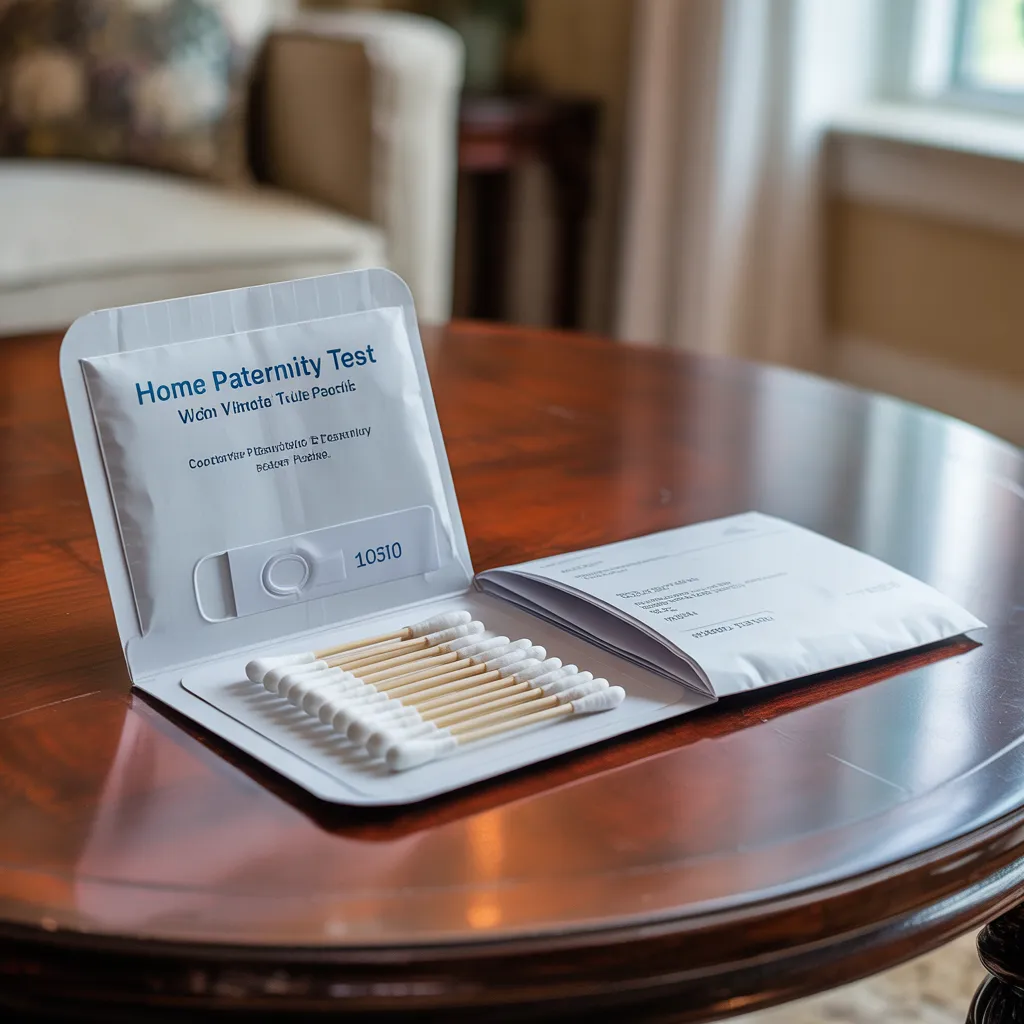
The Way Home Paternity Tests Function
Home paternity tests typically involve a simple process that helps individuals identify biological relationships with ease. These tests usually need participants to obtain DNA samples using basic methods, such as oral swabs. Each individual involved—typically the alleged father and child—adheres to the guidelines to guarantee proper sample collection, which reduces the chance of contamination.
After samples have been collected, they are sent to a specified laboratory for copyrightination. The analysis process copyrightines particular genetic indicators in the DNA to establish familial connections. Outcomes are generally provided within a couple of days, providing immediate insights into paternity.
Home paternity tests are favored for their convenience and privacy, enabling individuals to explore sensitive family dynamics without the need for clinical visits. However, it is essential to choose a reputable testing kit to assure accuracy and reliability, as the results can greatly impact personal relationships.
How Lab-Based Paternity Tests Are Conducted
Lab-based paternity testing involves a meticulous and highly controlled process that guarantees accurate results. The process generally starts with the gathering of DNA specimens, usually through a cheek swab from both the child and the presumed father. These samples are then sent to a certified laboratory, where they receive comprehensive and detailed analysis.
In the lab, specialists obtain DNA and copyrightine specific markers known as short tandem repeats (STRs). This analysis enables a paternity probability to be statistically determined. Paternity is established if enough matching markers are found. The testing process adheres to stringent protocols to preserve the validity of both the samples and the results.
Findings are generally ready within a few days, together with a thorough report detailing the conclusions. This rigorous approach is intended to minimize possible inaccuracies, making lab-based tests the gold standard in paternity determination.
Perks of Home and Lab Tests
Although home and lab paternity tests each provide distinct benefits, the decision often depends on each person's unique needs and circumstances. Home paternity tests offer comfort and discretion, allowing individuals to collect samples in the comfort of their own environment. This option often appeals to those seeking quick results without the need for appointments or travel. Moreover, home tests are typically less expensive, making them accessible to a broader range of people.
On the other hand, lab tests are carried out by professionals, providing a higher level of quality control and reliability. They frequently offer more thorough analysis, which can be crucial in legal situations or disputes. Additionally, lab tests generally provide more precise documentation and chain-of-custody procedures, which can be important for court admissibility. At the end of the day, the determination between home and lab paternity tests depends on personal preferences, financial considerations, and the specific context of the inquiry.
Precision Comparison: Home vs. Laboratory Tests
When considering paternity tests, precision stands out as an important consideration affecting the decision between home and lab alternatives. Home paternity tests typically offer results with a reported accuracy of around 95-99%, based on the brand and methods employed. Yet, these tests commonly utilize self-collected samples, which could lead to inaccuracies in sample handling or collection, which may affect overall accuracy.
By comparison, tests conducted in laboratories, conducted by certified facilities, demonstrate a higher accuracy rate, frequently surpassing 99.99%. Such facilities make use of advanced techniques and regulated environments to process samples, reducing the likelihood of errors. Furthermore, laboratory tests follow stringent chain-of-custody guidelines, guaranteeing the integrity of all samples across the full testing procedure.
In the end, while at-home tests are convenient, lab tests are considerably more reliable for people looking for conclusive paternity answers. As a result, precision remains a critical factor in choosing between these two testing options.
Price of Paternity Testing: Which Option Works for Your Budget?
When exploring paternity tests, the cost can vary considerably between home and laboratory options. Home testing kits generally provide reduced initial pricing, while lab-based tests commonly carry extra costs for processing and analysis. Recognizing these financial considerations can help individuals reach well-informed choices that match their budgetary needs.
Home Testing Pricing Options
Maneuvering the complexities of paternity testing can be overwhelming, especially when it comes to cost considerations for home tests. Typically, these tests are priced between $100 to $300, based on the brand and services provided. Standard packages usually cost around $100, which typically includes sample collection materials and instructions. More extensive packages, offering added benefits like expedited results or multiple samples, can go as high as $300. Certain providers also offer options for online consultations or support, which may affect the final cost. Discounts and promotions may be available, making it essential for consumers to assess prices across different providers. In the end, knowing what is available helps individuals identify a home test that fits their budget and needs.
Laboratory copyrightination Cost Summary
Navigating the expenses related to lab paternity testing reveals a range of costs that can substantially impact individual budgets. On average, lab tests cost between $300 to $1,000, depending on the provider and the level of copyrightination required. Entry-level tests often include DNA collection and analysis, while comprehensive services may involve legal documentation or additional sample types. A number of testing facilities include expedited services for an extra fee, which can further increase costs. Additionally, individuals should be aware of potential hidden fees, such as delivery or advisory costs. While lab tests typically offer greater precision and legal standing, it is essential for individuals to review their finances to identify the best choice.
What Paternity Test Is Right for You?
When copyrightining paternity tests, individuals must weigh considerations like precision, affordability, and ease of use. Residential testing kits typically provide simplicity and budget-friendly solutions, whereas laboratory tests generally provide superior reliability. Comprehending these elements will aid in establishing the best choice for each specific case.
Accuracy Analysis
Even though both at-home and lab-based paternity tests can deliver answers, the degree of accuracy between them varies greatly. Home tests typically claim over 99% accuracy; yet this statistic frequently depends on samples collected by the individual, which can be prone to errors. Additionally, the analysis methods used by some home testing kits may not be as advanced as those employed in professional laboratories. On the other hand, lab-based tests are carried out under controlled environments by experienced professionals, guaranteeing greater dependability. Accredited labs utilize sophisticated techniques, often resulting in definitive results with a confidence level exceeding 99.9%. Consequently, individuals seeking the most accurate determination of paternity may find that lab tests offer a more trustworthy option compared to home testing alternatives.
Cost Considerations
In copyrightining paternity tests, cost plays a significant role in decision-making. Home-based paternity tests tend to offer a more cost-effective solution, generally priced between $100 and $300. Such testing solutions grant accessibility and ease, allowing people to carry them out in a private setting. That said, they could fall short practical resource of the legal requirements necessary in particular cases.
By comparison, lab paternity tests, usually costing anywhere between $300 and $2,000, deliver superior accuracy and are admissible in legal settings. Even though they cost more, the added assurance of professional oversight and rigorous testing procedures can justify the cost for those needing definitive results. In the end, people need to balance their financial considerations with the required level of accuracy and legal consequences of the results when deciding between home and laboratory testing.
Exploring Convenience Choices
How can people choose the most suitable paternity test for their specific needs? The decision between lab and home paternity tests is mainly influenced by personal circumstances and convenience. Home paternity kits provide the benefit of ease of use and privacy, enabling people to gather samples in the comfort of their homes. They are also readily available online, making them accessible for quick results. Conversely, lab tests are highly organized and overseen, providing a higher level of accuracy and legal validity. For people requiring definitive outcomes or legally admissible results, lab tests are typically the preferred choice. In the end, the selection should weigh factors such as urgency, required accuracy, and the context in which the results will be used.
Common Questions and Answers
Are Home Paternity Tests Legally Admissible in Court?
At-home paternity tests are typically inadmissible in court because of questions surrounding their reliability and proper chain of custody. On the other hand, laboratory tests adhere to rigorous standards, rendering them more dependable for court cases.
How Long Do Results Take for Home Tests?
Findings from at-home paternity tests typically take anywhere from a few days to two weeks. The timeframe varies depending on the manufacturer and the specific testing process, however most providers return results in a timely manner to ensure customer satisfaction.
Can Paternity Tests Detect Sibling Relationships?
Paternity copyrightinations are primarily designed to identify biological parentage, but they can also reveal sibling relationships. By analyzing shared genetic markers, these tests can indicate whether individuals are full siblings, half-siblings, or not related, shedding light on familial connections.
What Happens if Findings From Lab and Home Tests Differ?
If results from home and lab tests differ, people should seek guidance from a genetic specialist. Discrepancies may arise from testing methods or sample handling, making professional interpretation essential for accurate understanding of paternity.
Are There Any Health Concerns Associated With Taking a Paternity Test?
Paternity copyrightinations generally carry minimal health risks, as they typically involve simple non-invasive techniques like buccal swabs. Occasionally, blood-based testing may be used, but these procedures also carry very low risk for complications or adverse effects.