Home Paternity Testing: All the Essential Information Before Making a Purchase
At-home paternity tests have become increasingly popular due to their convenience and accessibility. These tests allow individuals to establish biological relationships using simple cheek swabs. Yet, the world of home testing is far from simple. Precision, legal considerations, and privacy concerns are critical elements to consider. When interested individuals evaluate their alternatives, comprehending these aspects is of utmost importance. What should a person consider before committing to such an important choice? The solution may not be as clear-cut as one might expect.
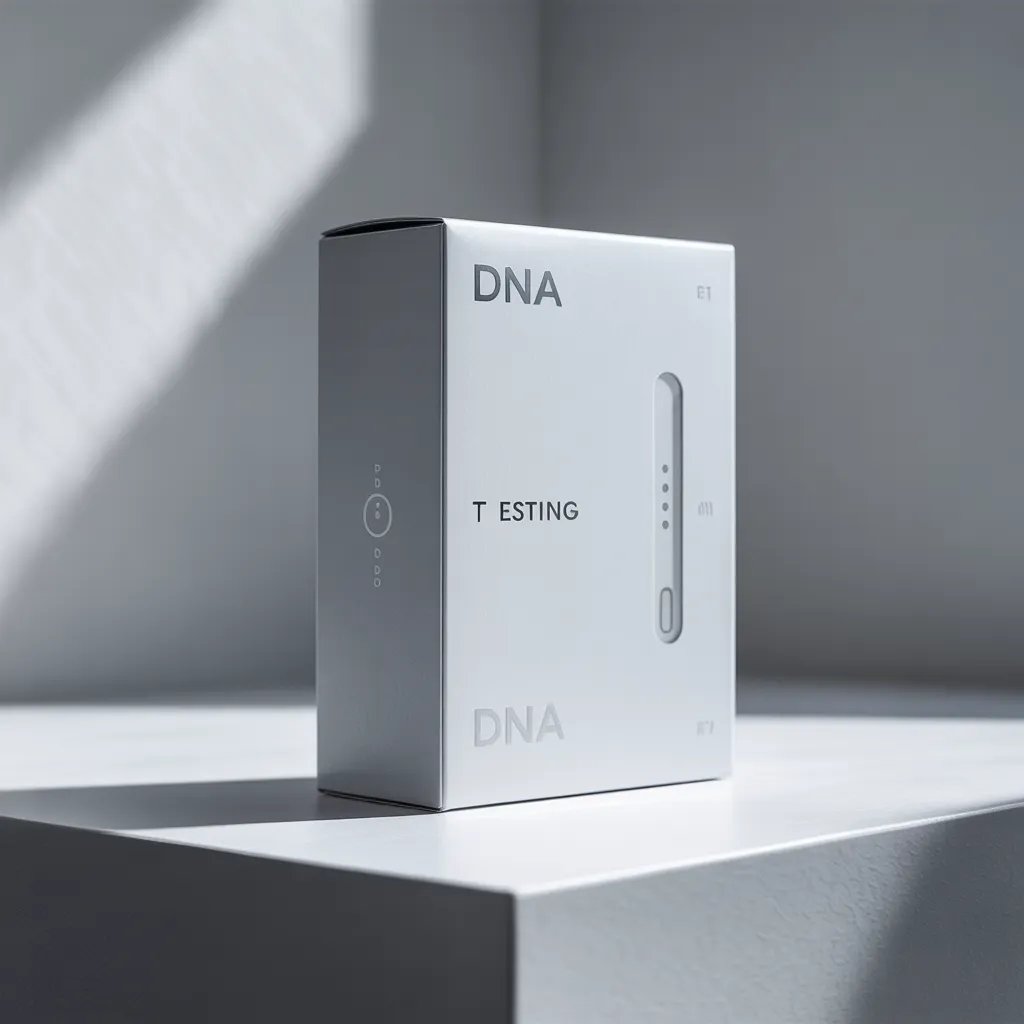
What Is an At-Home Paternity Test and How Does It Function?
A home paternity test is a practical solution for people seeking to establish paternity connections without the requirement of a lab visit. These testing solutions allow users to collect DNA samples in the privacy of their home, typically through a straightforward cheek swab. Once the specimens have been gathered, they are sent to a designated laboratory for testing.
The laboratory analyzes the DNA with sophisticated techniques to evaluate genetic markers between the potential father and child. Results are usually available within a few days, offering definitive proof of paternity. Home paternity tests are designed for ease of use, commonly provided with thorough instructions to guarantee accurate sample collection. Although these tests may yield definitive results, it is important to assess the reliability of the testing provider and the possible emotional impact of the results. In general, home paternity tests represent a convenient solution for individuals seeking to understand family relationships.
What Types of Home Paternity Tests Can You Get?
At-home paternity tests come in a range of types, mainly divided into non-legal and legal tests. Each type employs distinct DNA sampling techniques and shows differences in accuracy and reliability. Understanding these distinctions is crucial for people looking to resolve paternity questions.
Legal vs. Non-Legal Tests
While many individuals seek paternity tests for personal reassurance, it is crucial to understand the difference between legal and non-legal tests. Legal tests are carried out following rigorous procedures, guaranteeing that the findings are admissible in court or for formal applications. These evaluations commonly demand the engagement of a certified testing facility and often include direct oversight throughout the DNA collection process.
Non-legal tests, by contrast, are often more accessible and may be conducted in the privacy of one's home, offering results intended for personal insight rather than legal purposes. Although they provide a more convenient and faster turnaround, their conclusions hold no validity in a court of law. Consequently, people should thoughtfully evaluate their specific requirements before deciding between these two categories of paternity tests.
Methods of DNA Collection
Comprehending the numerous DNA collection methods available for paternity testing enables individuals to make informed decisions. Home paternity tests commonly use buccal swabs, which require collecting cheek cells with the help of a soft cotton swab. This method is straightforward, painless, and can be done without the guidance of a professional. Some kits may also offer saliva samples, providing an choice for those who prefer not to use swabs. In infrequent instances, hair samples can be employed, although this method is less reliable due to possible sample contamination and the requirement of root follicles. Each gathering approach has specific instructions, highlighting the importance of adhering to instructions to ensure the quality of the sample. Choosing the suitable technique is critical for reliable findings.
Precision and Dependability Factors
When evaluating paternity testing, the reliability and accuracy of the results copyright on the type of test chosen. Home paternity tests generally are divided into two categories: non-invasive and invasive. Non-invasive tests, which typically utilize cheek swabs, offer a significant level of accuracy when performed correctly. These tests examine DNA samples for genetic markers that confirm biological relationships. Invasive tests, though not as frequently used at home, may utilize blood samples and can provide even more precise results. Moreover, the quality of the laboratory conducting the analysis plays a critical role in reliability. Buyers should select tests certified by accredited laboratories to secure trustworthy outcomes. Being aware of these elements is essential for those evaluating a home paternity test.
Just How Precise Are At-Home Paternity Tests?
Home paternity tests differ in their methods, which can greatly impact reliability. A comparison with professional laboratory analyses uncovers notable differences in consistency and exactness. Grasping these aspects is vital for people looking for dependable outcomes.
Testing Methodologies Outlined
Paternity tests employ advanced methodologies to identify genetic connections, and at-home testing kits have become widely used for their convenience and accessibility. These tests primarily analyze DNA samples gathered from individuals involved, typically through cheek swabs. These kits employ polymerase chain reaction methodology, which amplifies specific DNA sequences, allowing for comparison against established genetic markers. Furthermore, most residential tests examine a minimum of 15 to 21 markers to secure dependable findings. This procedure is intended to provide outcomes within days, frequently from the convenience of one's residence. Nevertheless, the accuracy of these tests depends on correct specimen gathering and following directions. Understanding the methodologies behind these tests is vital for consumers evaluating their reliability and efficiency.
Accuracy Evaluation Compared to Labs
The accuracy of home paternity tests is frequently compared to professional laboratory outcomes, prompting inquiries about their accuracy. Consumer tests generally assert an reliability rate exceeding 99%, comparable to results from certified laboratories. However, factors such as collection methods, sample handling, and testing procedures can influence results. Professional lab tests involve rigorous quality controls and chain-of-custody protocols, which guarantee a higher level of reliability. By comparison, at-home tests can be without such measures, elevating the risk of mistakes. Furthermore, accredited facilities commonly offer legally valid documentation, a feature absent in home testing kits. Users ought to thoughtfully evaluate these factors; while home tests can offer preliminary insights, definitive results are best obtained through professional testing. In the end, the decision between alternatives should be guided by the situation and the importance of reliable results.
Legal Factors to Consider for Home Paternity Testing
As many people look for the ease of residential paternity testing, it is essential to recognize the legal considerations associated with such tests. At-home paternity tests generally yield results that are unable to be used in court. This drawback arises from the lack of standardized protocols and chain-of-custody documentation, which are vital for judicial processes.
Moreover, persons must understand state-specific laws concerning paternity. A number of regions require established protocols to establish official paternity status, especially when it pertains to custody or child support matters.
Moreover, results from home paternity tests might lead to emotional and family consequences, influencing decisions concerning child support or parental rights. Speaking with a legal professional before carrying out a home paternity test can assist in navigating these complexities, ensuring that people are aware of their rights and responsibilities. In summary, while convenient, home paternity tests carry significant legal considerations that must not be ignored.
Choosing a Home Paternity Test Provider
How can someone ensure they are choosing a trustworthy home paternity test provider? To ascertain quality and accuracy, individuals should first research the provider's credentials. Well-regarded companies generally hold certifications from established organizations, such as the American Association of Blood Banks (AABB). It is also essential to assess customer reviews and testimonials, as these accounts can uncover the experiences of other users. Transparency in pricing and services offered is another marker of reliability; trustworthy providers will clearly outline costs without hidden fees. Furthermore, evaluating the provider's laboratory procedures is critical. Certified laboratories follow rigorous quality control protocols, ensuring precise results. Lastly, taking into account customer service availability can prove advantageous. A helpful support team can handle concerns and supply assistance throughout the entire testing process. By following these guidelines, individuals can make an informed decision when choosing a home paternity test provider.
What Privacy Concerns Exist With Home Paternity Testing?
Choosing a reputable home paternity testing provider requires considering numerous aspects, and privacy concerns constitute a crucial aspect of the selection process. People undergoing home paternity testing ought to consider how their genomic information will be managed. Numerous testing providers obtain confidential information, and poor privacy protections can cause improper use or unauthorized exposure.
In addition, consumers should review the provider's data preservation policies, as some organizations may hold genetic information indefinitely. This presents questions about likely data leaks or unauthorized access, especially at a time when data security is a mounting concern.
An additional concern is the privacy of data; many companies may distribute details with external organizations, including law enforcement agencies or insurance companies, without explicit consent. As a result, it is critical for consumers to diligently scrutinize confidentiality agreements and guarantee that their chosen provider follows strict privacy regulations explore the facts before undertaking any assessment.
How to Interpret Your Home Paternity Test Results?
Interpreting the results of a home paternity test can be vital for individuals pursuing answers about family relationships. In most cases, outcomes will show whether the individual tested is the biological father of the child. A probability figure is commonly given, with a percentage above 99% generally establishing paternity, while lower percentages point to a lack of biological parentage.
The report may also include particular genetic markers, which examine the DNA profiles of the child and the purported father. Should the markers align, this strengthens the assertion of paternity.
It is essential to evaluate the accuracy of the testing company, as precision can fluctuate. Additionally, at-home tests hold no legal standing and might be inadmissible in legal proceedings. It is recommended that individuals seek guidance from a legal professional or genetic specialist if findings present notable concerns or uncertainties. Accurate analysis of findings can greatly influence individual and judicial choices relating to the rights and duties of parenthood.
Common Questions and Answers
Can Home Paternity Tests Determine Sibling Relationships?
At-home paternity tests are mainly designed to establish biological fatherhood, not sibling relationships. However, they can provide insights into shared genetic traits. When seeking reliable confirmation of sibling relationships, dedicated sibling DNA tests are advised over conventional paternity tests.
What Are the Costs Associated with Home Paternity Tests?
Home paternity testing kits usually range from $50 to $200, based on the brand and included features. Additional costs may arise from supplementary services, such as rush shipping or advanced laboratory analysis for more comprehensive results.
How Long Will It Take to Receive Your Test Results?
Results for home paternity tests usually take anywhere from 2 to 5 business days after the lab receives your samples. Some providers may offer rush options for faster turnaround, often within 24 to 48 hours.
Are Home Paternity Tests Admissible in Court?
At-home paternity tests are typically not accepted in court unless they adhere to rigorous legal requirements. Courts generally mandate tests carried out by certified facilities to guarantee the reliability and integrity of the results.
Is It Possible to Take the Test Without the Father's Consent?
A person can technically take a home paternity test without the father's consent; however, the results may lack legal validity. It is recommended to obtain consent for accurate and potentially admissible outcomes for legal purposes.