Revealing the Truth: An In-Depth Guide to Paternity Tests at Home
Home-based paternity tests present a discreet way to investigate familial connections. Such tests employ simple DNA collection methods and provide results that can profoundly influence interpersonal connections. However, choosing the right kit and grasping the meaning of the outcomes is essential. As one works through the complexities of their outcomes, they must also take into account personal and legal considerations. The process extends beyond the outcomes; the steps that come after can matter just as much.
What Exactly Is a Home Paternity Test and How Is It Used?
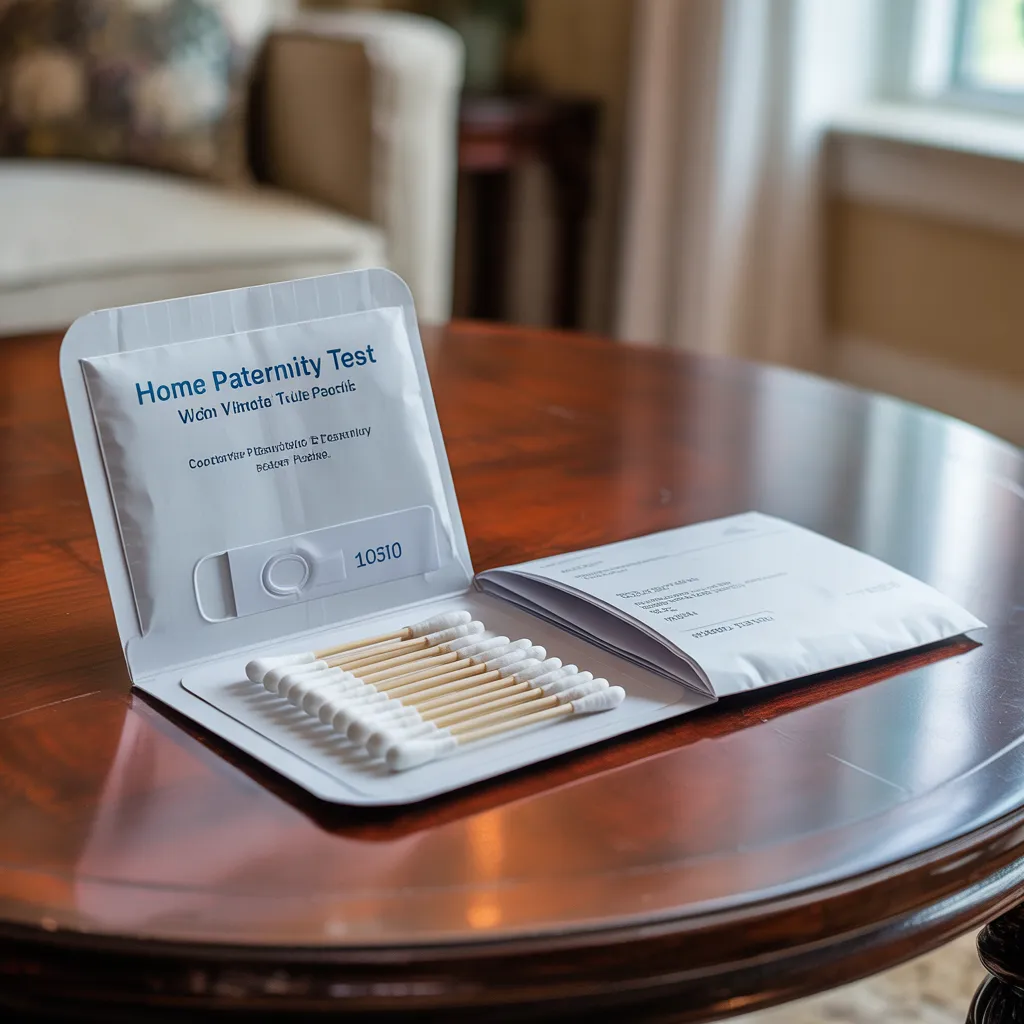
A home paternity test is a practical and confidential approach for individuals to determine biological relationships. It usually entails obtaining DNA samples from the presumed father, the child, and occasionally the mother. These samples are often obtained through simple cheek swabs, which require no professional oversight. The collected samples are then dispatched to a laboratory for testing.
In the laboratory, DNA is extracted and compared using established genetic markers. The outcomes show whether there is a familial bond between the individuals being tested. Most home paternity tests return outcomes within a couple of days, permitting individuals to access their outcomes rapidly and confidentially.
Even though these tests are largely accurate, they lack legal standing and may not hold up in a court of law. Therefore, individuals seeking definitive legal confirmation may need to pursue a more formal testing process. Nonetheless, home paternity tests offer an accessible option for those seeking answers regarding familial connections.
How to Pick a Trustworthy Home Paternity Test Kit
Finding a reputable paternity test kit for home use involves assessing the precision of the outcomes and the standing of the company. Consumers must prioritize kits that promise high levels of accuracy to confirm trustworthy findings. Additionally, opting for a highly reputable brand can give further confidence of reliability and quality.
Accuracy Assurance Testing
What determines the dependability of a at-home paternity testing kit? Identifying a trustworthy kit depends on several critical factors. Initially, it is essential to verify the test is compliant with FDA guidelines or applicable regulatory requirements, which demonstrates a commitment to quality oversight. In addition, the accuracy rate should be clearly stated, with reliable kits frequently achieving over 99% accuracy. The availability of a well-written and easy-to-follow instruction booklet is also important, as correct specimen gathering and management can substantially impact results. Moreover, kits that offer a professional lab verification in addition to home testing can provide additional verification. To conclude, consider the sample types the kit accepts—oral swabs are typically favored for their ease and reliability in DNA specimen acquisition.
Brand Reputation Matters
Reliability is paramount when selecting a at-home paternity test kit, and brand credibility plays a crucial role in ensuring reliability. Well-known brands often have a history of accuracy, consumer satisfaction, and conformity with industry regulations. Consumers should research companies, looking for ratings, testimonials, and accreditations from established medical organizations. A reliable brand typically offers easy-to-follow directions, reliable customer support, and open privacy guidelines. Additionally, it's crucial to assess the scientific foundation of the testing techniques used. Companies that prioritize quality assurance and third-party verification are more capable of producing reliable findings. By choosing companies with an established standing, consumers can make well-informed choices and feel confident in the accuracy of their home-based paternity test findings.
Advantages of Home Paternity Testing
Home-based paternity testing presents a range of benefits that attract people in search of definitive results. It guarantees discretion and confidentiality, enabling individuals to perform tests from the privacy of their own homes. Additionally, these tests provide an accessible and affordable option, broadening their reach to a greater number of individuals.
Privacy and Data Protection
Why is privacy such a crucial consideration for individuals exploring paternity testing? For most people, the decision to seek paternity testing is an intensely personal one, often surrounded by emotional considerations. Home paternity tests deliver a critical degree of privacy, permitting individuals to collect samples and access results without outside interference. Such discretion is vital for individuals who want to sidestep potential stigma or criticism from family, friends, or society at large. Moreover, reputable home testing companies prioritize the protection of personal information, ensuring that results are accessible only to the individuals involved. This degree of privacy cultivates an atmosphere in which individuals can tackle sensitive concerns without hesitation, allowing them to reach thoughtful conclusions about their familial bonds and future path.
Ease of Access and Convenience
As individuals seek clarity about their familial ties, home paternity testing provides a convenient and accessible solution. These tests can be conducted in the comfort of one's home, doing away with the requirement for clinic trips and extended scheduling. Individuals can gather samples at a time that suits them, aligning with their daily routines and personal choices. Additionally, home testing kits can be easily found online and in physical stores, allowing anyone to purchase them with minimal effort. The straightforward instructions provided allow individuals to perform the test without specialized knowledge, enhancing accessibility for all. This straightforward process makes it possible for any individual to take part in the evaluation, fostering a sense of empowerment in resolving paternity questions. Overall, home paternity tests present a practical option for those seeking answers.
Value-Driven Choice
The cost-effectiveness of home paternity testing makes it an attractive option for numerous people dealing with paternity concerns. As opposed to standard testing procedures, which often entail steep fees and supplementary costs, home tests generally cost significantly less. This affordability enables a greater number of individuals to address their questions without incurring significant debt. Moreover, home testing eliminates the need for costly clinic visits, as individuals have the ability to obtain samples in the privacy of their personal space. The straightforward nature of these tests often results in quicker results, helping families obtain clarity in less time. In summary, the budget-friendly character of home paternity testing allows families to find clarity without economic hardship, rendering it a practical option for numerous individuals.
A Step-by-Step Guide for Performing a Home Test
Carrying out a paternity test at home can be a straightforward process if the proper steps are adhered to closely. As a first step, individuals should buy a trustworthy DNA testing kit from a reputable source. When the kit is delivered, the following step involves obtaining samples, commonly performed using cheek swabs from both the alleged father and the child. It is crucial to follow all directions accurately to maintain sample integrity.
Once the samples have been collected, the samples should be properly packaged according to the kit's guidelines to prevent contamination. Following this step, participants must complete the required paperwork, ensuring that all details are correct. The samples must then be delivered to the lab indicated within the kit, frequently using prepaid shipping to speed up the process. Finally, individuals should allow the lab sufficient time to analyze the samples, following which the results will be accessible, usually through an online portal or via mail.
Understanding What Your Paternity Test Results Mean
How does one understand the results of a paternity test? The results generally show whether a tested individual is the birth father of a child. A favorable outcome, commonly shown as a probability percentage of 99% or higher, verifies paternity with compelling statistical evidence. On the other hand, a non-confirming outcome, generally below 1%, establishes that the man in question is not the genetic father.
Results may also include a spectrum of probability values, indicating the chance of biological paternity derived from genetic markers examined throughout the testing process. It is critical to acknowledge that although elevated probabilities indicate a significant chance of paternity, they should not be regarded as absolute confirmation.
Those may benefit from consulting a certified genetics expert or relevant expert to gain a complete understanding of their results and any emotional implications. Accurate interpretation of these outcomes is essential for reaching well-considered conclusions regarding familial relationships and upcoming connections.
Legal Factors to Consider for Home Paternity Tests
Even though home paternity tests deliver convenience and privacy, grasping their legal implications is crucial. Such tests, usually not administered in a controlled environment, may fall short of the legal standing needed for court proceedings. Findings from non-legal tests are inadmissible as evidence in custody disputes, child support cases, or inheritance claims.
Moreover, the custody chain is essential; without sufficient paperwork, the outcomes may be disputed. Those involved must also evaluate the impact of sharing test results, including likely emotional and relationship-related impacts.
Across some areas, rules may oversee the marketing and selling of residential paternity tests, demanding familiarity with regional regulations. When looking for a legally recognized assessment, individuals are advised to work with credentialed testing facilities that provide legally binding results. In summary, understanding these legal considerations ensures well-informed choices regarding home-based paternity testing.
Next Steps After Receiving Your Test Results
Obtaining paternity test results can stir up a mix of feelings, encouraging individuals to thoroughly reflect on their following actions. Upon examining the results, it is important to comprehend what they mean. If results confirm biological paternity, individuals may wish to begin discussions with family members to go over the results and possible shifts in family dynamics.
For people confronted with unexpected findings, seeking support from a counselor or therapist can prove to be extremely beneficial. It is also wise to assess the potential legal consequences, especially if the test results will impact custody or child support decisions.
Individuals might need to assess whether additional testing or confirmation is required, especially if the findings are contested. Lastly, acknowledging the emotional and psychological aspects of the conclusion can aid in interpreting the findings and reaching well-considered conclusions moving forward.
Questions Our Customers Often Ask
Are Home Paternity Tests Legally Admissible in Court?
Home paternity tests are typically inadmissible in court because of accuracy concerns and the absence of chain of custody. Legal proceedings usually require tests conducted by accredited laboratories for use in legal proceedings.
How Reliable Are Home Paternity Test Kits?
At-home paternity testing kits generally feature accuracy rates exceeding 99%. Nevertheless, outcomes can differ depending on elements including the quality of samples and testing methods, requiring thorough evaluation and possible further confirmation explore through accredited laboratories to achieve conclusive results.
Can I Test More Than One Child at a Time?
Yes, several siblings can be tested concurrently by utilizing home paternity test kits. Nevertheless, it is crucial to follow the producer's guidelines thoroughly to confirm precise results and avoid any likely cross-contamination between swab samples.
What Samples Are Needed for Testing?
For the purpose of paternity testing, required samples typically include cheek swabs from the child and alleged father. Supplementary samples, including those from the mother, may increase the precision of the test, but are not always necessary for conclusive results.
How Long Does It Take to Get Results?
Home paternity test results generally take anywhere from 2 to 5 business days, subject to the processing speed of the testing laboratory. Turnaround times can fluctuate depending on variables such as the quality of the submitted sample and the testing workload at the lab.