The Evolution of Paternity Testing: Breakthroughs in At-Home Kits
The landscape of paternity testing is changing at a remarkable pace, particularly with the rise of home testing kits. These innovations promise greater privacy, convenience, and accessibility. Improved DNA examination and mobile application integration are just around the corner. As public viewpoints continue to evolve, individuals are more frequently pursuing resolution on parentage matters. This evolution prompts significant inquiries about dependability and ethical consequences, prompting a closer examination of how these advancements will influence family dynamics moving forward.
The Increasing Popularity of Residential Paternity Testing Kits
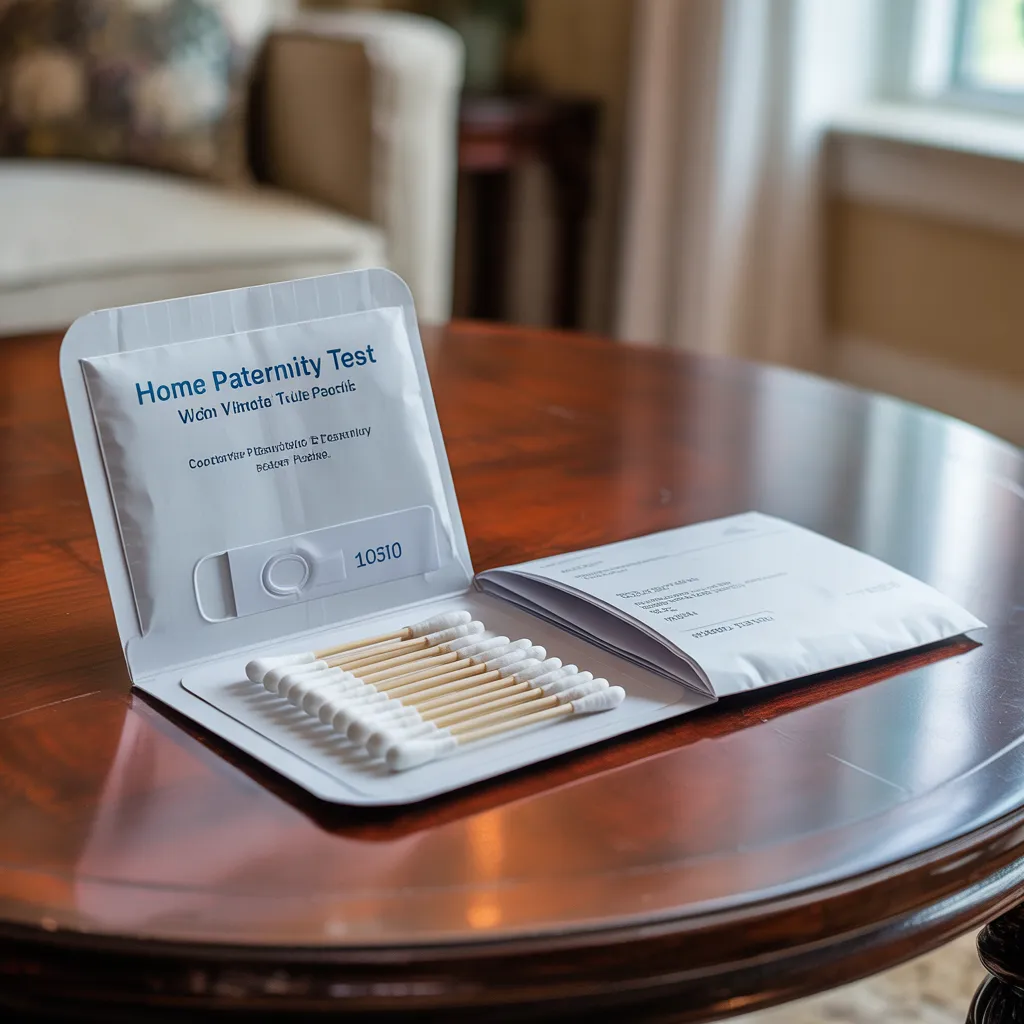
The emergence of at-home paternity testing kits has reshaped the domain of genomic testing, giving individuals a convenient and private solution for determining biological relationships. These testing kits, easily obtainable through retailers and online platforms, allow users to obtain DNA samples from themselves and their offspring without any need for expert guidance. The straightforward nature of the process has democratized access to paternity testing, enabling people to answer questions about parentage from the privacy of their own homes.
Innovations in technology and packaging have enhanced the reliability and accuracy of outcomes, often providing insights within a short span of days. Moreover, the accessible pricing of these testing kits has expanded availability to a wider demographic, diminishing the social barriers linked to obtaining such testing. As societal norms evolve, the rise of at-home paternity test kits signals a growing demand for transparency and personal autonomy in matters of family and identity.
Home Paternity Testing Kits: How to Use Them Step by Step
Numerous people find the process of using residential paternity testing kits simple and easy to use. First, they should verify they have all required items, which generally consist of collection swabs, a sample envelope, and comprehensive instructions. Users must proceed to obtain DNA samples, usually through cheek swabs, making sure that the process is quick and thorough to avoid contamination.
Following this, they should carefully follow the kit's directions for securing and labeling the sample materials. Precise labeling is critical for ensuring sample integrity. When the samples are ready, the specimens should be positioned in the designated envelope and mailed to the designated lab, frequently making use of the pre-paid postage options supplied with the kit.
Following the mailing process, individuals can expect to wait anywhere from a few days to a few weeks for their results, which are often available digitally or through personal correspondence with the testing company. Following these steps guarantees a smooth experience with home paternity testing kits, making possible accurate results in a comfortable setting.
How Dependable Are At-Home Paternity Tests?
How trustworthy are home paternity tests? The reliability of these tests largely copyrights on the quality of the kit and the accuracy of the sample collection process. The majority of well-regarded home paternity tests report accuracy rates of over 99%, as long as the instructions are carefully adhered to. However, potential variables, such as sample contamination or improper handling, can affect results.
In addition, while a number of kits utilize sophisticated DNA examination technologies, not all are created equal. Consumers should search for tests that are accredited by credible laboratories, verifying rigorous standards in testing and validation.
It should be noted that despite home tests offering both convenience and privacy, they might not be accepted in detailed article legal proceedings. As a result, those requiring conclusive results for legal matters should pursue professional testing. On the whole, home paternity tests have the potential to be accurate, but users must approach them with caution and discernment.
Exploring Legal and Ethical Considerations in Home Paternity Testing
At-home paternity tests, while convenient and private, raise significant legal and ethical considerations that consumers need to be aware of. One major concern is the risk of improper use, such as fraudulent claims or disagreements related to custody arrangements and child support. The accuracy of results can also impact legal proceedings, as judges may fail to accept residential test findings without adequate verification.
Ethically, users face dilemmas surrounding consent, most notably when underage individuals are concerned. Conducting tests without obtaining consent from all parties involved may result in damaged relationships and significant emotional turmoil. Additionally, the mental and emotional impact of discovering unforeseen parentage can be far-reaching, influencing family relationships and personal identities.
Moreover, the absence of regulatory control in the at-home testing market prompts concerns about the accuracy of the details supplied. Consumers must be cautious, ensuring they comprehend the meaning behind the results and the likely repercussions on their lives and relationships.
How Easy Testing Is Shaping Family Relationships
Revolutionizing household relationships, convenient access to paternity testing has changed the way people approach biological connections and family relationships. With at-home testing options readily available, families can now find clarity on questions about biological ties without the lengthy processes historically linked to such inquiries. This accessibility encourages openness within family dynamics, promoting open discussions about biological origins.
Thus, the social stigma linked to paternity doubts decreases, enabling families to handle concerns that may have gone unresolved for extended periods. The capacity to validate parentage can foster deeper ties among family members, as questions are addressed. However, this convenience of testing also raises new complications; unforeseen findings can disrupt previously stable relationships. As families work through these challenges, the balance between knowledge and emotional repercussions becomes critical. Ultimately, simplified testing is reshaping discussions about identity, reliance, and family ties, creating an ever-changing landscape in family dynamics.
Common Questions and Answers
Are Home Paternity Test Results Admissible in Court?
Home paternity tests are generally inadmissible in court because of concerns about accuracy and chain of custody. Legal proceedings commonly require tests conducted by certified laboratories to guarantee accuracy and compliance with established standards.
Is Paternity Testing Available for Pets?
Yes, pets can be tested for paternity through DNA testing, which establishes genetic relationships. Such tests examine particular markers to establish ancestry, giving breeders and pet owners important details about heritage and health-related matters.
What Are the Typical Costs for Home Kits?
Paternity testing kits for home use typically range from $100 to $300, based on the brand and type of test. Costs can vary depending on extra features, including faster turnaround times or additional sample collection methods.
How Long Will It Take to Get Results?
The turnaround time for home paternity testing kits usually ranges between a few days to two weeks. Delays may occur depending on the laboratory processing time and the efficiency of the mail service used for sample submission.
Are There Age Restrictions for Testing?
Age-related requirements for paternity testing generally vary based on the provider's guidelines. In most cases, minors will need parental consent, whereas adults are able to test without any restrictions. It's essential to check specific guidelines for each testing service.